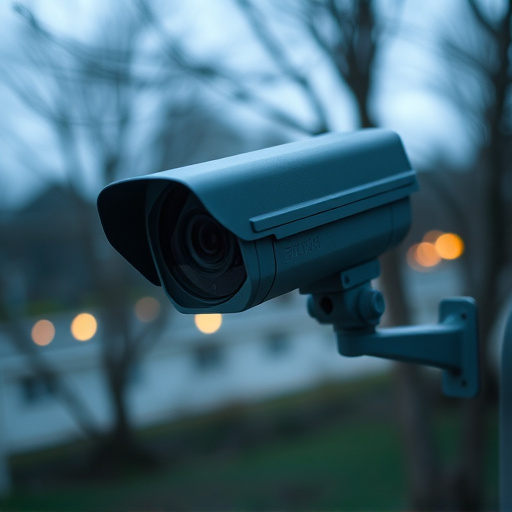
To maximize security, businesses should strategically place hidden cameras in discreet locations like false fire alarms, electrical boxes, or ceiling fans for comprehensive coverage of entry points and high-value areas without attracting attention. Key locations include reception areas, hallways, open offices, corridors, and stairwells. Integrate cameras into existing fixtures like light fittings for all-encompassing, unassuming coverage ideal for retail, offices, and industrial facilities. Effectively manage cables through walls, ceilings, or floor joists to minimize visible exposure and maintain a professional appearance.
Hidden security cameras are essential for business surveillance, offering discrete monitoring while maintaining a professional image. This guide explores effective mounting strategies for maximizing coverage without compromising aesthetics. We’ll walk you through choosing discreet locations, integrating cameras into existing fixtures, and best practices for wire management. Whether securing a retail store, office space, or industrial facility, these recommendations ensure your hidden camera system remains out of sight but vigilant, enhancing safety while preserving privacy.
- Choosing Discreet Mounting Spots for Optimal Coverage
- Exploring Common Areas for Unobtrusive Camera Placement
- Integrating Cameras into Existing Fixtures: A Sneak Peak
- Best Practices for Hiding Wires and Cables Out of Sight
Choosing Discreet Mounting Spots for Optimal Coverage
When it comes to hidden camera locations for businesses, discretion is key to achieving optimal security coverage. To ensure maximum effectiveness, consider mounting cameras in areas that are typically overlooked or hidden from plain sight. For instance, placing them inside false fire alarms, electrical boxes, or ceiling fans can offer both a strategic view and an unnoticeable presence. These spots allow for a comprehensive view of entry points, cash registers, and high-value inventory areas without drawing attention.
Business owners should also consider the layout of their premises and potential blind spots. By strategically positioning cameras in corners or along walls, you can capture a broader field of view while maintaining a low profile. This approach ensures that critical zones are always under surveillance, making it an effective deterrent for would-be thieves or intruders.
Exploring Common Areas for Unobtrusive Camera Placement
When it comes to hidden camera locations for business security, exploring common areas is a strategic starting point. High-traffic zones like reception areas, hallways, and break rooms often provide valuable insights into daily operations and potential security risks. Discreetly mounting cameras in these spaces allows businesses to monitor activity without compromising the aesthetics of their environment. For example, a subtle camera placed above a receptionist’s desk can deter inappropriate behavior while maintaining a professional ambiance.
In addition to high-traffic areas, considering locations that offer natural line-of-sight coverage is key. Corridors, stairwells, and open offices are prime spots where cameras can capture footage without becoming the primary focal point of the space. Proper placement ensures that these devices serve their security purpose while remaining virtually invisible to casual observation, striking a balance between safety and discretion.
Integrating Cameras into Existing Fixtures: A Sneak Peak
Many businesses are opting to integrate security cameras into their existing fixtures, offering a subtle and effective solution for surveillance. This approach leverages everyday objects as hidden camera locations for business, providing a discrete way to monitor activities. For instance, mounting cameras inside light fixtures or LED panels allows for all-encompassing coverage while maintaining an unassuming aesthetic. These integrated systems blend seamlessly into the environment, ensuring no unsightly equipment disrupts the natural flow of your space.
By utilizing existing infrastructure, businesses can achieve a professional and harmonious installation. This method is particularly beneficial in retail stores, offices, and industrial facilities where aesthetics play a significant role. With careful planning, these hidden camera locations for business can capture critical footage without drawing attention, contributing to enhanced security measures.
Best Practices for Hiding Wires and Cables Out of Sight
To maintain a clean, professional appearance in hidden camera installations for business purposes, it’s crucial to employ best practices for concealing wires and cables out of sight. Begin by planning the route each cable will take from the camera to the recording device or control center, ensuring minimal visible exposure. Use high-quality, slim cables designed for discreet installation, which can help reduce their profile. Consider routing these cables through walls, ceilings, or floor joists whenever possible, utilizing existing structures to keep them hidden.
In addition, employ strategies like using cable channels, conduit, or flexible tubing to protect and guide the wires. These methods not only hide the cables but also provide a measure of protection against damage. When mounting cameras, choose locations that allow for direct line-of-sight without revealing excessive wiring. This might involve installing cameras inside shelves, behind signage, or within ceiling tiles, ensuring they remain hidden while capturing clear footage.
When it comes to concealed security camera mounting, the key is to strike a balance between effective coverage and discreet placement. By strategically choosing locations like shadowed corners, false ceiling panels, or integrating cameras into everyday fixtures, you can create a robust surveillance system that remains largely invisible. Remember, optimal visibility shouldn’t come at the cost of aesthetics or functionality. For businesses seeking enhanced security without compromising on ambiance, exploring these hidden camera locations is a smart step towards a safer environment.